
Combined heat and power
Recycle waste heat and generate power on-site. Combined Heat and Power (CHP) — also known as cogeneration — captures waste heat from power generation to use for heating and cooling, improving total system efficiency. Talk to an ExpertTwo CHP options, same high efficiency
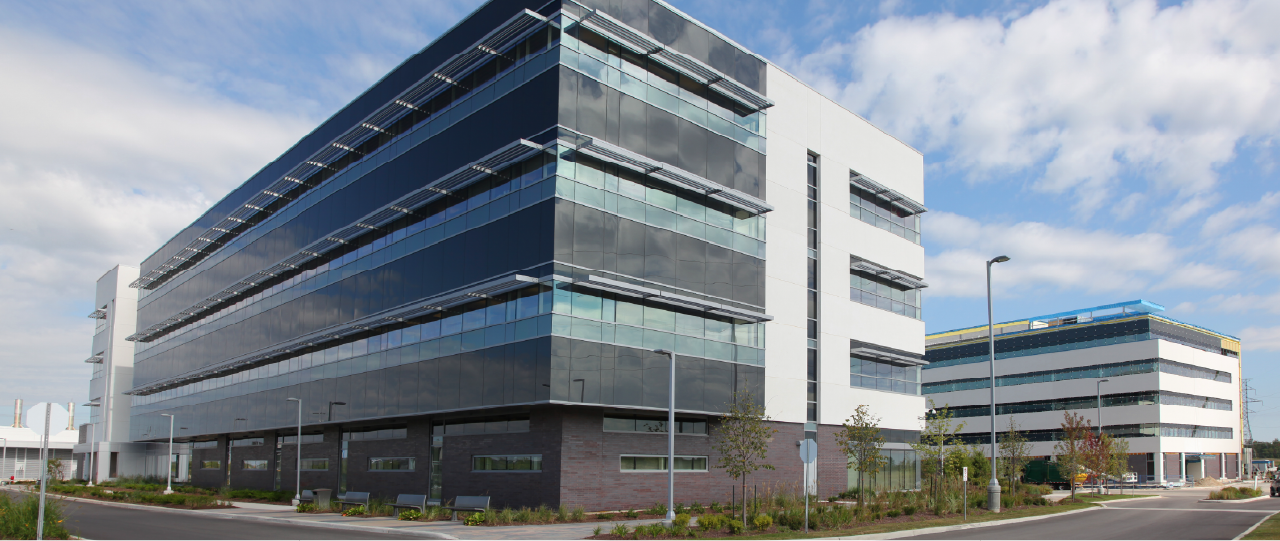
Commercial and industrial CHP
Ideal for manufacturing plants, hospitals, campuses and other large facilities with steady energy demands.
- Uses natural gas or biomass to generate electricity and heat.
- Can achieve up to 80% system efficiency*.
- Reduces energy costs and carbon emissions.
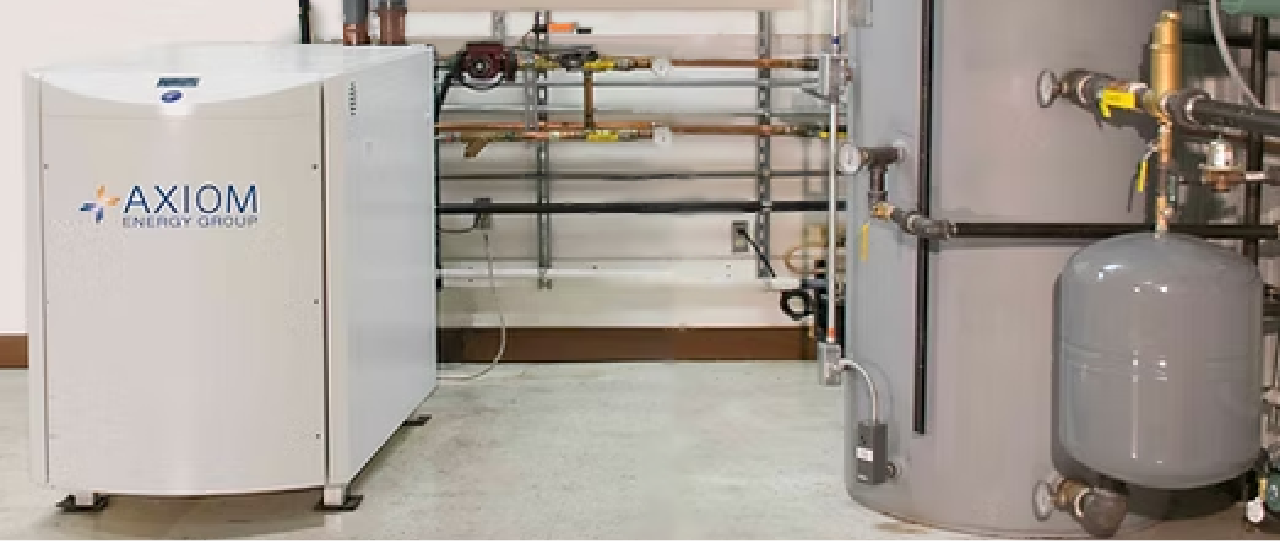
Micro CHP
Micro CHP (mCHP) is sized for smaller buildings like schools, hotels and multifamily properties.
- Fits into existing mechanical rooms.
- Operates in the 5-100 kW range.
- Can reach 90%+ efficiency and cut energy use by 40% or more.
Get rebates up to $500,000
CHP and mCHP rebates are based on therms saved**. We can help calculate eligibility and maximize your incentive.
Engineering study funding
Get up to $20,000 to offset the cost of an engineering study, investment-grade audit or process evaluation. All applications must receive preapproval before the study begins.
Engineering Study Program Application
Determining if CHP or mCHP is right for your facility
You may be a good candidate if you have:
- High year-round heating or hot water demand.
- Long operating hours.
- Centralized heating systems running on natural gas.
- High energy costs or carbon reduction goals.
- Interest in backup power during grid outages.
* Source: U.S. EPA Combined Heat and Power (CHP) Partnership www.epa.gov/chp
** Energy savings are calculated using methodology outlined in the Illinois Technical Reference Manual (TRM). Rebates may not exceed 50% of total project cost.
Read success stories
Resources
Find resources tailored to Combined Heat and Power, including fact sheets, case studies, and reports that show how this technology saves energy and money.
Want to see more? Check out the full Resources page for additional tools and information.
Accelerating Decarbonization with Gas Heat Pumps
Gas heat pumps are an innovative technology that supports equitable decarbonization and grid reliability. They offer superior energy efficiency (over 100%), leading to lower energy bills and significant greenhouse gas reductions. Gas heat pumps also perform well in cold climates and are compatible with existing building infrastructure.
Evaluation of Hybrid Air-to-Water Heating Systems
The purpose of this project was to evaluate the performance of hybrid air-to-water heat pump/gas boiler systems for residential space and water heating in cold climates. Results suggest that further optimization of set points and control strategies can further optimize energy efficiency and cost savings for this promising configuration.
Through-the-Wall Condensing Furnace/AC Field Study
The performance and market potential of high-efficiency packaged furnace/air conditioner units were evaluated in a multifamily setting. A key challenge observed was freezing of the condensate drain lines. The technology maintained occupant comfort and reduced utility bills, but condensate management is an issue for broad market adoption.
Venturi Steam Trap Lab Evaluation (Phase I)
Performance comparison of venturi traps and mechanical traps across a range of operating conditions. Venturis have no moving parts, leading to greater reliability, longer lifespans and less steam loss. Findings indicate that venturi traps are a viable alternative for utility energy efficiency programs that warrant further real-world testing.
Venturi Steam Trap Field Evaluation (Phase II)
Results show that venturi steam traps are ideal for systems with small condensate load swings, commonly found in industrial and large commercial buildings. The study established a lifespan of 20 years for venturis, significantly longer than that of mechanical traps, and confirmed their significantly lower annual failure rate (1% or less).
Residential Ozone Laundry Field Demonstration
Evaluation of performance, savings and user experience of ozone laundry systems. These systems clean best in cold water with no detergent. The study found that ozone systems reduce energy bills and save users additional money by allowing them to wash without detergent. The primary challenge was system reliability across manufacturers.
Looking into combined heat and power?
CHP systems can reduce costs and increase efficiency for businesses and multifamily properties. Complete the form below to learn more about system options, rebates, and next steps.
For more information

Talk to an expert

Become a trade ally

Find a trade ally
Energy efficiency videos